
Top 7 Airbnb Challenges for New & Experienced Hosts in 2026 – 5 Practices to Improve Reputation & Customer Experience
The short-term rental market has been undergoing significant changes in recent years. In 2026, platforms like Airbnb continue to grow and attract new hosts to list their properties; however, this also brings new challenges related to regulatory changes, increased competition, and operational difficulties. These changes can be overwhelming, even for experienced hosts, let alone new ones. Therefore, let’s examine the main obstacles Airbnb hosts face in 2026 and explore solutions.
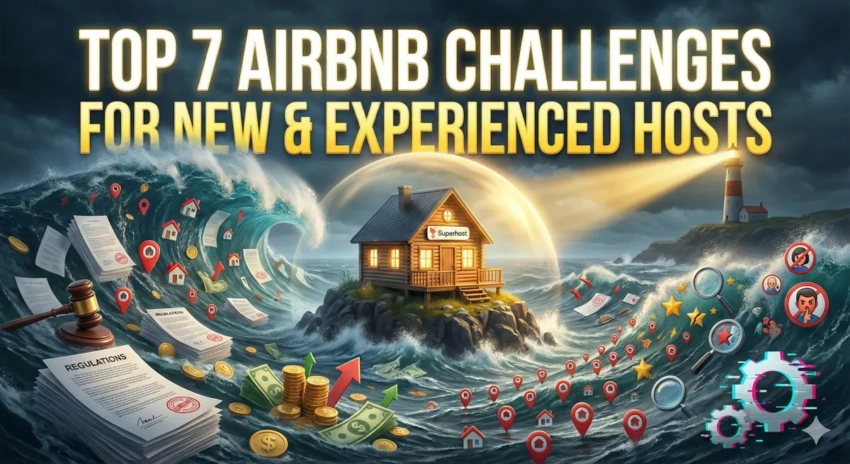
Top 7 Airbnb challenges for new and experienced hosts
Top 7 Challenges Airbnb Hosts Face in 2026
Tighter regulations, growing competition, platform changes, and operational difficulties — all these factors have a direct impact on business success. To stay afloat and maintain profitability, hosts must be prepared to address these challenges on Airbnb. In this section, we’ll examine the seven most pressing challenges facing hosts in 2026 and offer strategies for overcoming them.
Challenge 1: increased regulation and bureaucratic barriers
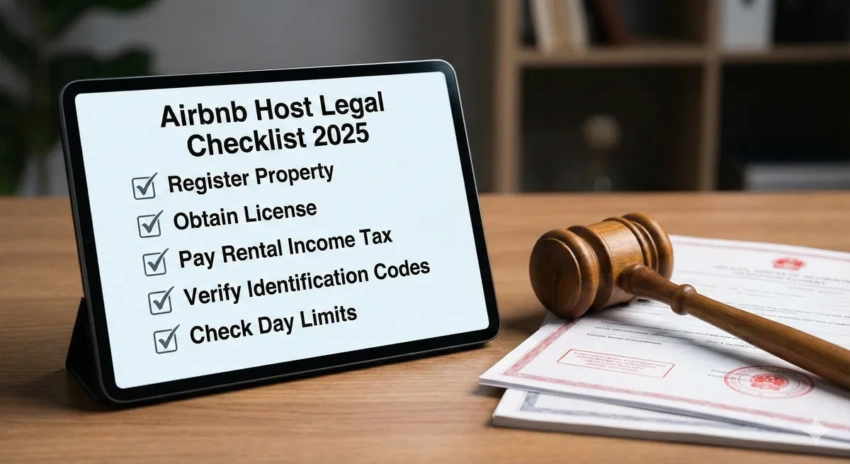
Legal challenges on Airbnb platform
One of the most significant challenges for Airbnb hosts in 2026 remains legislative changes and increasing regulation of short-term rentals. In response to the platform’s growing popularity and the potential negative impact on local housing markets, many countries and cities have begun introducing new laws and initiatives that restrict or regulate host activities. For example:
Airbnb host requirements around the world in 2026
| Country / Region | Requirements | Influence on Airbnb hosts |
| Spain (Barcelona) | Mandatory registration of objects in the register, tax on rental income. | Hosts are required to register their property or risk fines. |
| Italy (Roma) | Introduction of mandatory identification codes for listings. | Listings without an individual code will be removed from the platform. |
| France (Paris) | Limit on the number of days for rent (max. 90 days per year for tourists). | Reduced profitability for hosts who rent out short-term accommodation. |
| USA (New York) | It is prohibited to rent out housing for less than 30 days without a special license. | High fines for non-compliance with legal requirements. |
According to the CRA’s study “The Costs of STR Restrictions…”, a city-by-city analysis shows a significant loss of revenue nights due to short-term rental restrictions.
To avoid fines and blocking issues, we strongly recommend that all current and future hosts regularly check their country’s laws or consult with a real estate and rental lawyer, as well as research the registration requirements for their specific city or country.
Challenge 2: Growing competition and oversaturation of certain markets
Competition on the Airbnb platform is only intensifying every year. More and more hosts are joining the platform, leading to market saturation. This problem is especially acute in large cities and popular tourist areas.
The challenge of competition on Airbnb
Just consider that, according to Airbnb’s latest data, there are currently over 5 million hosts and over 7.7 million diverse listings on the platform. And this figure is growing year after year, meaning increased competition and a fiercer battle for guests. This means even more attention is paid to cleanliness, interior design, quality of communication, response time, location, pet and child-friendly options, etc., as well as unique offerings such as additional services, high-quality photos, and compelling descriptions.
For example, in major cities in the US and Canada, listing occupancy rates can reach 50-60% during the low season, making business less profitable for hosts accustomed to high summer occupancy.
To remain competitive, hosts must focus on the uniqueness of their offerings. Invest in high-quality photography, offer unique amenities (such as local excursions or eco-friendly products), and personalize communication with guests. Use tools like PriceLabs or AirDNA to track price changes in your area.
Challenge 3: operating expenses and Airbnb property management
Running an Airbnb business requires regular expenses for maintenance, cleaning, repairs, and other operating costs. Many hosts find that these expenses significantly reduce their profits. According to Global Property Guide, operating expenses in the short-term rental business can range from 30% to 70% of gross revenue. For example, here are the potential operating expenses for an Airbnb host in 2026 for a 2-bedroom apartment:
Approx. operating expenses for a 2BR Airbnb apartment
| Expense type | Average cost ($) per month | Impact on hosts |
| Cleaning and maintenance | 200-500 | Regular cleaning and interior renovation costs are required. |
| Repair and maintenance | 100-300 | Investments are necessary to maintain the property in good condition. |
| Utilities | 150-400 | Depending on the region, these costs can increase significantly. |
| Platform fees | 3-15% of income | Additional platform costs reduce profits. |
The higher your operating expenses, the lower your income. Due to the crisis in many countries and market volatility, the costs of these expenses will only increase, while purchasing power, even if it does increase, will be at a significantly slower rate. It’s also important to consider fluctuations in demand between the low and high seasons, which also impacts both the price of your property and occupancy (during the low season, it can sometimes be zero).
So what’s the solution? Use automated systems, property management companies like CHM Inc., and long-term contracts (at least six months) with contractors (cleaning and repairs). According to AirDNA, in the first quarter of 2025, the average cleaning fee for a one-bedroom home was $47.10, while for a five-bedroom home it was $357.
Challenge 4: reputation and review management
Airbnb’s rating depends on guest reviews, and they are a crucial factor in attracting new renters. However, managing reviews requires significant effort, as even one bad review can significantly reduce your chances of booking. Based on our experience, we can say that with a rating:
- 5 stars – 95% chance of successful booking; people are attracted by good reviews and feel trusted;
- 5 stars – 85% chance of booking; although this is a good result, the client will still try to find something better for more or less the same price;
- 4 stars and below – 50% chance that an inquiry will turn into a booking; the client is likely to consider such an option only if there are no better options left.
Remember! One bad review can CROSS OUT out all previous good reviews. As a host, you must constantly monitor your guests’ feedback and, if possible, correct any errors.
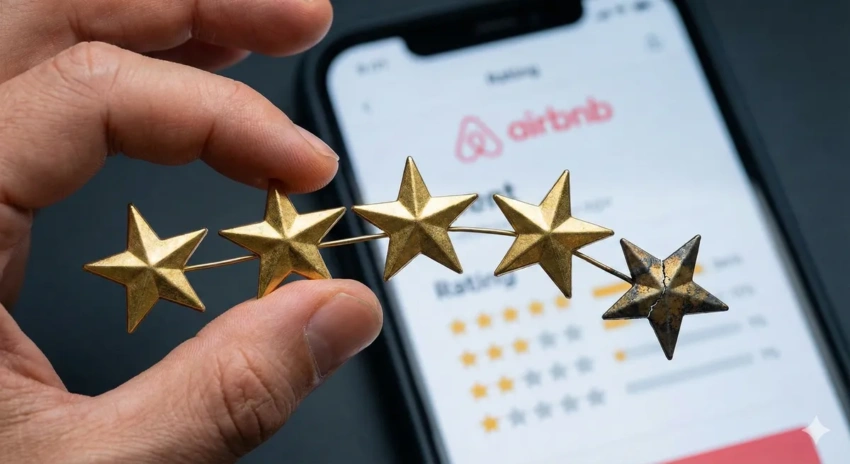
Reputation and review management
To minimize the likelihood of receiving a negative review, we recommend:
- Maintain cleanliness. Dust the most visible surfaces, corners, and cabinets. If your apartment allows pets and children, cleanliness should be given even more attention!
- Try to fix any problems, even the smallest ones, immediately. Don’t wait until something completely breaks down or guests call you in the middle of the night complaining about a leaky faucet or someone cutting themselves on a broken bathroom mirror.
- Keep all promises in your listing description. If you think you’ll attract guests simply by writing beautiful text and taking gorgeous photos, then yes, that’s entirely possible. However, when those guests experience “expectations versus reality,” you’ll almost certainly receive a 1-star review, and Airbnb support will request a refund.
Challenge 5: platform and algorithm changes
Airbnb frequently updates its platform algorithms, which impact listing visibility and host ratings. Even small changes in algorithms can cause listings to lose their ranking on the platform, which in turn reduces bookings.
For example, hosts who previously consistently ranked high in search results may notice their listings becoming less visible, which reduces bookings. This is a completely normal phenomenon, and experienced hosts have already learned to overcome it.
So, what can be done to adapt? Airbnb hosts should regularly not only monitor changes on the platform and adapt their strategies, but also update their listings. For example, make changes to photos, descriptions, and the like. The platform needs to see that the listing is “live,” that it’s being updated, and that the host is vigilant in ensuring everything is up-to-date. It’s important to constantly work on reviews, proactively respond to them, and offer competitive prices.
Challenge 6: social risks and neighbor conflicts
Short-term Airbnb rentals can cause tension among neighbors, especially if the listing is in apartment buildings or densely populated areas. Complaints about noise, litter, and inappropriate guest behavior can lead to serious consequences, including the blocking of properties and legal risks.
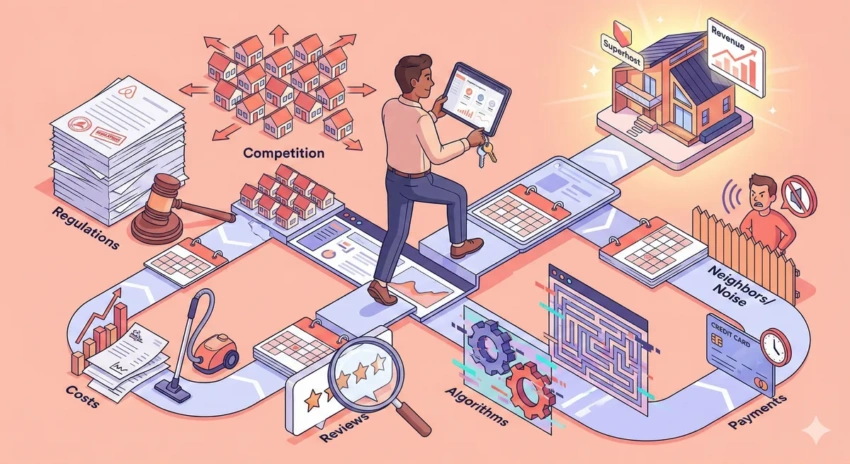
Social risks and conflicts with neighbors
For example, there are already cases on Reddit where hosts’ listings were blocked due to noise complaints from neighbors. This is not surprising, as Airbnb’s rules clearly state that this can lead to penalties such as “we may suspend the listing until the violating content is removed” or even “the listing may be permanently removed from Airbnb.”
What we recommend to avoid listing blocking:
- Set strict rules for guests, clearly outlining prohibitions on parties and noise after 10:00 PM.
- Invest in noise detectors, especially if your property is in an apartment building. This way, you can personally monitor and know when violations occur, preventing complaints, police calls, and other problems.
- Proactively communicate with your neighbors, and even better, provide them with your emergency contact information.
Challenge 7: Problems accessing financial and payment systems
Difficulties with international payment systems can lead to delays in payments and difficulties receiving funds from the platform. This is especially true in countries with sanctions or limited access to international banking services.
- According to Airbnb rules, new Airbnb hosts may experience a payout delay of up to 30 days after their first booking.
- International transfers may take up to 7 business days if the host is located outside the US.
- New Payments Terms came into effect on September 8, 2025, with changes for Canada and other markets.
In view of the above, we advise Airbnb hosts to use multiple payment methods, as well as international platforms like PayPal or Revolut, which can help expedite the funds receipt process. In countries with sanctions, preference should be given to local payment systems for more stable payouts.
Now that we’ve covered the most pressing issues facing Airbnb hosts, we need to explore how these challenges can be overcome in practice. Let’s look at real-life examples of hosts who have found solutions and achieved success.
How Airbnb Hosts Face Challenges – Real-Life Success Stories
To demonstrate how these solutions can be applied in practice, let’s look at real-life examples of Airbnb hosts who have overcome challenges and achieved significant results.
5 Airbnb business success stories
| Host / Project | What was done | Results |
| Host from AirDNA report (USA) | An average host with proper revenue management (~$4,300/month). | This confirms that with good management and minimal costs, you can earn decent amounts. |
| SnapStay case study: “Real Hosts. Real Results” | Optimizing the listing and improving photos increased bookings by 46%. | Visual appeal and listing quality = increased demand and profitability. |
| SmartHost UK case study with Sameer & Wife, Vauxhall | A couple switched from long-term to short-term rentals through Airbnb. | A simple transition yielded quick results: their property was booked within the first three days. |
| A case study on transforming an abandoned train car into an Airbnb | Converted an old train car into a stylish home, earning £90,000/year. | A unique offer and stylish design = a successful model. |
| A case study about a French pensioner on the Côte d’Azur | Rents out a three-bedroom apartment in Nice and earns around €50,000/year. | This demonstrates that the right strategy can generate significant income even for an average host. |
These examples demonstrate how different Airbnb hosts facing similar challenges were able to use specific strategies to overcome them and increase profitability. Whether it’s listing optimization, unique offerings, or simply changing the business model, each of these hosts demonstrated that even in a highly competitive environment, it’s possible to successfully grow a business on Airbnb. And our professional team would be happy to assist you with any Airbnb-related issues!
5 Best Practices for Improving Reputation and Customer Experience
Now, let’s dive deeper into the practices that will help you improve your Airbnb listing’s reputation, overcome challenges, and ensure a high-quality customer experience!

Best practices for hospitality
A strong reputation and a quality guest experience are key factors for success on Airbnb. A host’s welcoming attitude and level of interaction impact acceptance rates and listing prices. Even “small details” (ease of check-in, bed quality, prompt communication) can have a more significant impact on reviews than a complete interior renovation.
Practices that impact your Airbnb listing’s reputation
| Practice | Actions | Example |
| Communication and response speed | Guest inquiries are responded to within 1-2 hours; an automatic message is sent 24 hours before check-in with a code, instructions, and a map. | From the Uplisting blog: “Messages 24 hours before check-in reduce questions and improve ratings.” |
| Cleanliness and furnishing details | Fresh linens, high-quality pillows, cozy touches, no dust, and well-cleaned. | Investopedia tips: “Cleanliness + good photos = more bookings.” |
| Conformity to the description of the housing | All amenities listed in the listing should actually be present; if not, please let us know. | Story: A host lost a rating because sheep noise wasn’t included in the farmhouse listing description. |
| Personalization and hospitality | A welcome pack, local recommendations, and accommodations for guests (family, children, pets). | General tips: “Imagine yourself as a guest and add something special for them.” |
| Work with reviews | Ask for feedback, respond with gratitude, address any negative comments, and demonstrate your efforts to improve. | A review of the top 10 negative reviews from CHM Inc and how to respond to them. |
Now, let’s look at each point in more detail!
1. Communications with your guests
One of the most important factors for successful guest interactions is prompt and clear communication. When guests see that the host responds to questions quickly and helps resolve any issues, it increases their trust and satisfaction. They:
- Respond to inquiries within 1-2 hours;
- Notify guests 24 hours before arrival with key information: access code, check-in instructions, map, and local area recommendations;
- Are available for communication during the guest’s stay, if possible.
For example, sending a 24-hour notice and providing instructions has been proven to reduce questions and make guests feel cared for. This significantly increases the likelihood of a positive review.
2. Cleanliness and attention to detail
Cleanliness is one of the most important aspects for guests. Nothing ruins a stay more than a dirty or untidy home. Additionally, small details like quality pillows, linens, cozy accessories, and clean surfaces make a big difference.
- Maintain spotless cleanliness in all areas, including hard-to-reach areas;
- Ensure linens, towels, and pillows are clean and stain-free;
- Use fragrances or essential oils to create a pleasant atmosphere.
According to Hospitable, 78% of Airbnb guests say cleanliness is a decisive factor in leaving a positive review. A spotlessly clean space will always be appreciated.
3. Match the listing description
It’s crucial that your listing is accurate and reflects reality. Miscommunications and disappointments related to inconsistencies in the promised amenities or features can lead to negative reviews and a lower rating.
- Ensure that everything listed in the listing matches reality;
- If you’ve changed any amenities or features, update the description;
- Pay attention to small details that might be important to guests, such as a noisy street or lack of parking.
The Scottish Sun reported a case where a host lost a 5-star rating due to a noise complaint that was part of the listing for a farm stay. The guest expected quiet, but instead found themselves in an area with sheep grazing nearby, something that wasn’t explicitly stated in the listing.
4. Personalized approach to everyone
A personalized approach is essential for guests. They appreciate the attention and feel that their opinions and comfort are important to the host. What to do:
- Greet guests in person or with a letter, perhaps inviting them to contact you if needed;
- Leave a welcome pack with small gifts, such as water, local delicacies, or a tea set;
- If guests are traveling with children or pets, offer appropriate amenities, such as toys for children or bowls for pets.
According to one Investopedia review, hosts who provide their guests with small, pleasant surprises (such as a free breakfast box or a map of local attractions) receive significantly more positive reviews.
5. Managing reviews properly & regularly
Reviews play a key role in building a reputation. It’s important not only to collect positive reviews but also to respond appropriately to negative ones. So that you should:
- Always thank guests for positive reviews;
- Respond politely to negative reviews, acknowledging your mistakes, if any, and offering a solution;
- Ask satisfied guests to leave reviews, but don’t be pushy.
My team and I have analyzed 10 common negative reviews and how to take advantage of them! It’s important to remember that the faster and more effectively you respond, the better.
As you can see, running an Airbnb business isn’t just an opportunity to rent out your space; it also comes with a whole host of challenges to overcome. Laws and regulations are becoming increasingly strict, competition is growing, and demands for service and customer service are becoming ever more stringent.
To remain competitive and avoid becoming one of those hosts that are losing profitability, it’s important to consider current trends, adapt to changes, and continually work to improve the quality of your services.
Conclusions
It’s perfectly okay for a host, especially one who owns multiple Airbnb properties or other businesses, to find property management overwhelming. We strongly recommend turning to professionals – a property management company, which, depending on your needs, can handle everything from simply handling client communications on the platform to full property management (cleaning, maintenance, and check-in).
Contact CHM Inc. to see for yourself that running a business on Airbnb is profitable and can truly be easy with the right and highly experienced people!
Frequently Asked Questions on
Airbnb Challenges in 2026
How will the new day limits affect my strategy in [year]?
Many countries or individual cities are gradually introducing strict limits on short-term rentals (for example, no more than 90 days per year). If you reach this limit, consider switching to medium-term rentals (28 days or more) for digital nomads, as these limits often do not apply.
Why does Airbnb prohibit off-platform communication, and how does this affect email address collection?
In 2026, the “Off-Platform” policy became stricter. Hosts are prohibited from asking guests to contact them via WhatsApp or email before booking, or from collecting contact information for marketing purposes. Violations may result in account blocking. All communications and transactions must take place within the app for the security of both parties.
Is identity verification mandatory for all guests?
Yes, starting in 2026, Airbnb will tighten its rules: ID verification will be mandatory for both hosts and guests before booking. This increases trust and reduces the risk of fraud.
How does the price transparency policy affect my rates?
Guests now see the full price of their accommodation, including cleaning and service fees, even during the search process. This means that a high cleaning fee may discourage guests. It’s recommended to include some of this cost in the base daily rate to ensure the final price is competitive.
What should I do if I'm experiencing Airbnb Bust?
The market is stabilizing, and competition is growing. In 2026, the trend will be “unique experiences.” A simple overnight stay is no longer enough. Add wellness features (yoga mat, air purifier) or create the perfect workspace to attract guests seeking long-term accommodations.
How does the "Reserve Now, Pay Later" feature work and does it affect my payouts?
This feature allows guests to book accommodations without immediate full payment. For hosts, this may mean a change in their payment schedule. It’s important to have a financial cushion, as payments may arrive closer to the check-in date rather than at the time of booking.
How to protect your home from parties in [year]?
Airbnb has implemented AI technology to prevent parties by analyzing guest age, rental duration, and distance from the property. Hosts are also encouraged to install noise detectors (such as Minut), which integrate with Airbnb and alert guests to problems without infringing on their privacy.
What are guests expecting from a smart home this year?
The standard by 2026 isn’t just Wi-Fi, but contactless check-in (smart locks) and personalization (such as smart thermostats). Guests value autonomy and technology, which is often mentioned in 5-star reviews.
Is it possible to ask a guest to leave a review?
Yes, but be careful. You can’t offer money or discounts for a good review. The best strategy is to send an automated message after the check-out with a thank-you and a gentle reminder that their review helps your small business grow.
Should housing be made pet-friendly in [year]?
Definitely yes, if your accommodation allows it. Statistics show that the number of travelers with pets is growing every year. The “Pet Friendly” filter is one of the most popular. This allows you to increase your nightly rate and increase occupancy, even if you charge an additional cleaning fee (pet fee).
Do I need to create my own website for Direct Booking?
For experienced hosts, this is a trend for 2026. Platforms like Airbnb are increasing commissions, so creating your own website helps diversify your income and build a loyal customer base. However, remember: Airbnb provides traffic (guests), while you’ll need to drive traffic to your own website yourself through social media or advertising.
How can I stand out from the competition if I have an ordinary apartment?
Focus on niche. In 2026, guests are looking for more than just a bed, but a solution to their problem. Design your accommodations specifically for:
- Work-from-anywhere: ergonomic chair, monitor, super-fast Wi-Fi.
- Families with children: crib, high chair, outlet covers, toys. Including these amenities in your profile will improve your rankings for specific audiences.
How to use Artificial Intelligence (AI) to manage Airbnb?
AI has become a host’s main assistant. You can use ChatGPT to write engaging descriptions and respond to reviews. There are also dynamic pricing tools (such as PriceLabs or Wheelhouse) that automatically adjust prices based on demand, holidays, and events in your city, which is crucial for maximizing profits.
Is it necessary to switch to Instant Book?
Airbnb’s algorithms prioritize listings with Instant Book. This is essential if you want to rank high in search results. To mitigate this risk, set up guest requirements (e.g., “only guests with positive reviews” and “verified ID required”).
Is the AirCover program sufficient or is separate insurance required?
AirCover is excellent protection, but it’s not full-fledged property insurance. It covers damage caused by guests, but can have complex payout procedures and claim deadlines. Professional hosts in 2026 recommend additional short-term rental insurance to protect against major claims and force majeure.
What to do if a guest refuses to check out (Overstay)?
This is a complex legal area. Never engage in physical confrontation. Notify Airbnb support immediately. In 2026, platforms will respond more quickly to such cases, but it’s important to be aware of local eviction laws, as in some regions, a guest may acquire tenant rights after 30 days of stay.
Updated on: . Author: